
How to Access Public Health Services in Poland
For many foreigners, getting access to public health services in Poland can feel confusing at first. The system has clear rules, but the process depends on your residence status, work situation, and health insurance basis. If you know where your coverage comes from and what documents to show, using care becomes much easier.
In Poland, most public healthcare is provided through the National Health Fund, known as NFZ. This system gives eligible patients access to primary care doctors, specialists, diagnostic tests, hospital treatment, and emergency services. If you are new to the country, it is important to understand not only how to get access, but also when public care applies and when private insurance may still be useful. You can also explore the basics of health insurance in Poland to see the wider context.
Who Can Use Public Healthcare
Access to public health services in Poland usually depends on having valid public health insurance. In practice, this often means that contributions are paid to NFZ through employment, a contract, registered business activity, student status in specific cases, or voluntary insurance arrangements. Some people may also gain access as family members reported under an insured person.
For foreigners, the key issue is not nationality alone but legal entitlement to healthcare coverage. If you work legally in Poland and your employer registers you for social and health insurance, you will usually gain access to public services. If you are unsure what documents may be needed during formalities, this guide on documents for health insurance may help.
Common bases for access
💡 Tip
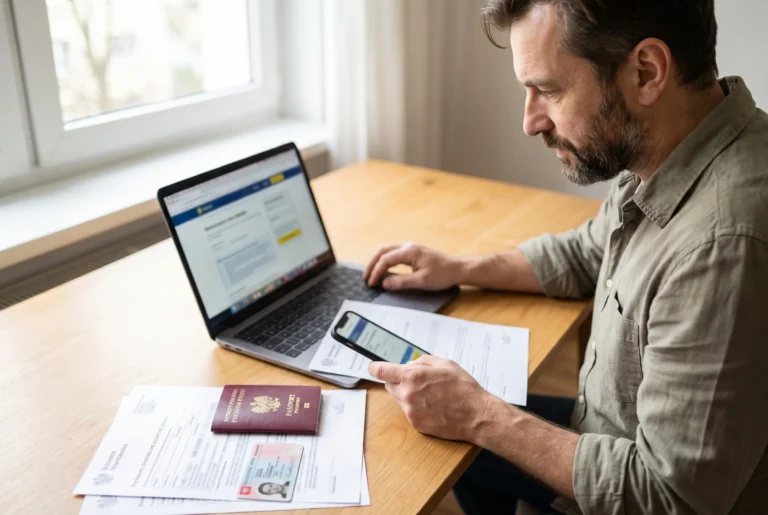
Before visiting a clinic, confirm whether your insurance is active in the system and carry a passport, residence document, PESEL if you have one, and proof of insurance if needed.
How Registration Works in Practice
Once you have valid access, the next step is using public health services in Poland correctly. The first contact is usually a primary care clinic. You may need to choose a general practitioner, often called a family doctor or POZ doctor. This doctor handles basic consultations, prescriptions, referrals, and many first diagnoses. In many cases, specialist treatment in the public system requires a referral.
When you book a visit, clinics may ask for your full name, PESEL number, or another identity document if you do not have PESEL yet. In practice, identity confirmation matters a lot. Some insurance-related procedures in Poland also rely on an ID document number for foreigners. If you need extra support, see where to get health insurance advice in Poland.
What to prepare before your visit
What Public Services Usually Cover
If you have proper access, public health services in Poland can cover much more than a basic doctor visit. Eligible patients can use primary care, many specialist consultations, diagnostic tests, hospital treatment, maternity care, and emergency assistance. However, the exact path often depends on referrals, medical need, and available dates in a given region.
It is important to understand that public access does not always mean immediate access. Waiting times may apply, especially for specialists and planned diagnostics. Because of that, some foreigners combine NFZ eligibility with private insurance for faster appointments. If you want to compare options, read more about private insurance for foreigners. If you are worried about expenses outside public coverage, you may also find value in this article about treatment costs in Poland.
Typical services available through NFZ
💡 Important
Emergency treatment should be sought immediately. For planned specialist care, a referral and waiting time are often part of the process in the public system.
Problems Foreigners Often Face
The most common problems are not medical but administrative. A foreigner may be insured, yet the clinic system may not show active entitlement immediately. Sometimes the issue is missing registration by an employer, outdated personal data, lack of a referral, or uncertainty about which facility provides NFZ services. Language can also make the process harder, especially during registration.
If something does not work, start by checking your insurance basis and asking the clinic what document is missing. In many situations, solving the problem is a matter of confirming identity or insurance status. If you are still choosing the right protection, you can also read where to find help choosing health insurance in Poland. Clear preparation improves access and reduces stress.
How to avoid delays
Summary: The Easiest Path to Access
If you want access to public health services in Poland, first confirm the legal basis of your health insurance. Then register correctly, keep your documents ready, and start with a primary care clinic. For many foreigners, the process is simpler once they understand that public healthcare in Poland is mostly based on NFZ entitlement rather than citizenship alone.
The best approach is practical: verify your insurance, learn which clinic to use, and prepare for referrals and waiting times. If you need faster appointments or broader flexibility, private cover can complement public access. With the right setup, using public health services in Poland becomes much more manageable and predictable.







 English
 Polish
 Ukrainian
 Turkish
 Russian
 Indonesian
 Vietnamese
 Spanish